Think Meditation is Just Sitting? Here’s Why Lying Down Might Be Your New Go-To!

Introduction
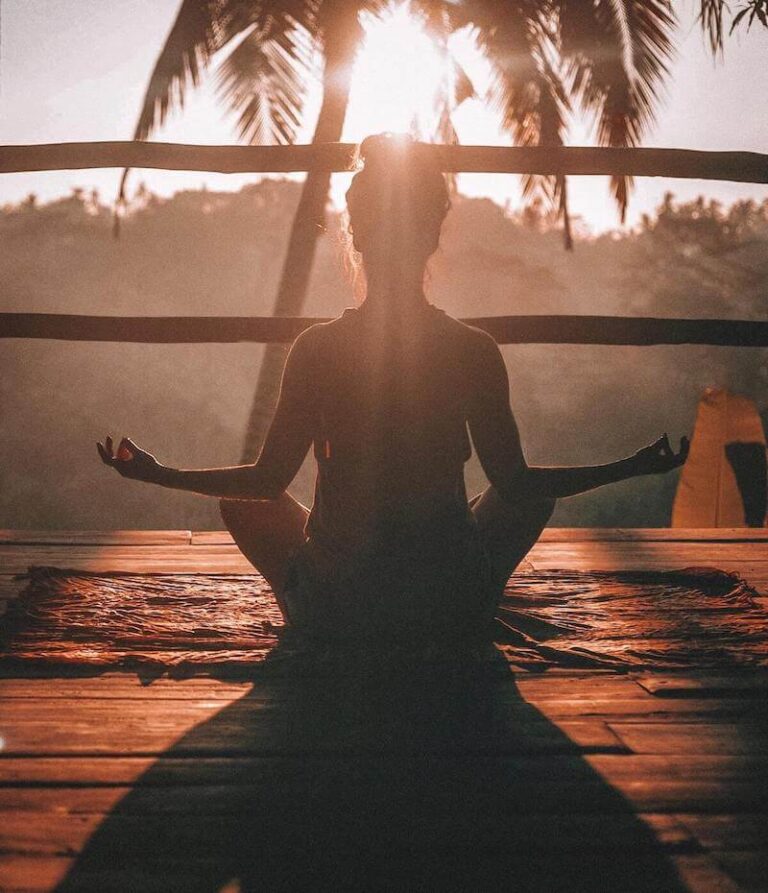
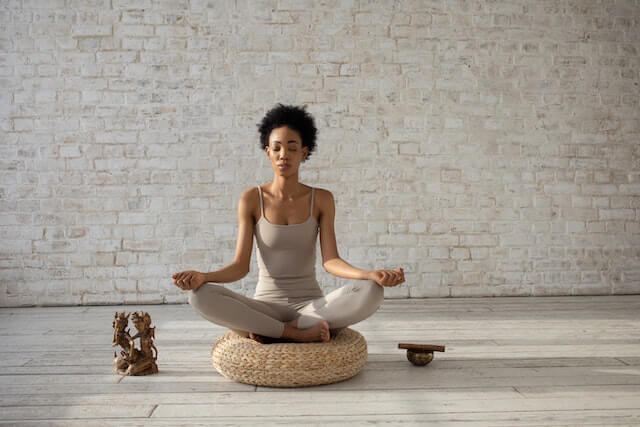
Picture this: A serene setting, perhaps a quiet room filled with the scent of incense or a peaceful garden. In the center, someone sits cross-legged, their back upright, eyes closed, lost in deep meditation. This is the classic, almost clichéd, image that pops into most of our minds when we think of meditation. It’s as if the universe whispered, “To meditate, one must sit. No exceptions.”
But hold on a minute. What if, after a long day, you just want to sprawl out on your comfy bed and meditate? What if sitting like a pretzel isn’t your jam? Can you still reach that zen state while lying flat on your back? Well, dear reader, we’re about to unravel this cozy mystery and dive deep into the world of laying down meditation. So, fluff up those pillows, and let’s get started!
The Traditional Stance on Meditation Postures
Alright, before we get all horizontal, let’s take a quick trip down memory lane. Meditation, in its various forms, has been around for millennia. From the ancient sages of India to the Zen masters of Japan, meditation has been a cornerstone of spiritual practices across cultures. And guess what? Most of these wise folks preferred to sit. But why?
A Brief History of Meditation and Its Classic Seated Position
Historically, the image of a meditator is often someone sitting cross-legged, sometimes in lotus position, sometimes not. This wasn’t just because they fancied sitting on the ground. There’s some method to this seated madness. The seated position, especially the lotus or half-lotus, was believed to provide a stable and firm base. With the spine erect and the body grounded, energy (or ‘prana’ if you’re feeling fancy) could flow freely, helping the meditator stay alert and focused.
Why Sitting Has Been the Go-To for Centuries
Beyond the energy flow, there’s also a practical reason. Imagine meditating outside, on uneven ground or on a windy day. Lying down might get you a mouthful of dirt or a surprise visit from an overly friendly squirrel. Sitting, on the other hand, offers a balance between relaxation and alertness. It’s a posture that says, “I’m chill, but I’m also present.” Plus, let’s be real, if you were lying down back in the day, people might just assume you’re taking a nap or, worse, that you’ve kicked the bucket.
But times change, and so do our understanding and approach to meditation. While the sages of the past sat down, does that mean we, the modern-day warriors battling endless Zoom meetings, can’t lie down? Let’s find out.
The Rise of Lying Down Meditation
Okay, so we’ve established that our meditation ancestors were big fans of the sit-down approach. But we’re living in the 21st century, folks! We’ve got self-lacing shoes, robots that clean our floors, and apps that remind us to drink water (because apparently, we’ve forgotten how to be thirsty). So, isn’t it about time we reconsidered our meditation posture?
How Modern Meditation Practices Are Breaking the Mold
In today’s world, meditation is no longer just a spiritual endeavor. It’s a tool for stress relief, better sleep, and even improved focus at work. And as meditation has evolved, so have the ways we practice it. Enter lying down meditation. Many contemporary meditation teachers and practitioners are embracing this horizontal approach. Why? Because it’s comfy as hell, that’s why! But also, it’s more accessible for many people, especially those with physical limitations or pain which makes sitting for extended periods a no-go.
The Benefits of Meditating Lying Down
- Comfort is King: Let’s face it, lying down is just plain comfortable. And when you’re comfortable, it’s easier to relax and dive deep into your meditation without being distracted by a numb leg or an itchy foot.
- Ideal for Body Scans: Ever tried a body scan meditation? It’s where you mentally scan each part of your body, usually starting from your toes and moving up. Doing this while lying down feels incredibly natural and intuitive.
- Great for Sleep: If you’re using meditation as a tool to help you sleep, then lying down is a no-brainer. You can drift off to dreamland right from your meditation without the whole “Now I have to get up and go to bed” rigmarole.
- Less Intimidating for Beginners: For someone new to meditation, the idea of sitting in silence can be a tad intimidating. Lying down can feel more familiar and less formal, making it easier to get started.
Now, before you rush off to meditate in bed (I know, it’s tempting), there are a few things to consider. Like, can you actually stay awake? And how do you keep from just…you know, dozing off? Let’s dive into that.
Can You Really Meditate Laying Down?
Alright, let’s cut to the chase. Can you really meditate while sprawled out like a starfish on your bed? Or is this just another excuse to hit the snooze button? Let’s break it down.
Addressing the Big Question with Some Straight Talk
Look, if you’re expecting some ancient scripture that says, “Thou shalt only meditate whilst seated,” you’re out of luck. Meditation is about the mind, not the butt. It’s about awareness, focus, and connection. If lying down gets you there, then by all means, lie down! But—and this is a Kardashian-sized but—there are some things to consider.
The Physiological Aspects of Laying Down vs. Sitting
- Gravity, My Friend: When you’re sitting, gravity helps to keep you awake. Your spine is upright, your head is held high, and there’s a certain alertness to the posture. Lying down? Not so much. Gravity is pulling you into that comfy mattress, lulling you into a state of relaxation that can easily tip you into sleep.
- Breathing Dynamics: Lying down can actually change the way you breathe. The diaphragm has more space to expand, leading to deeper, more relaxed breaths. This can be great for relaxation meditations but might make it harder to stay alert during more focused practices.
- Blood Flow: Sitting up promotes better blood flow to the brain, which can aid in alertness and clarity. Lying down might not offer the same boost, especially if you’re super cozy under a blanket.
The Psychological Aspects of Laying Down vs. Sitting
- Mindset Matters: When you lie down, especially in bed, your brain often associates that with sleep. It’s like Pavlov’s dogs but with pillows. You might find it harder to maintain a meditative state without drifting off.
- Distractions, Distractions: Lying down can sometimes make you more aware of bodily sensations, like that itchy tag on your shirt or how your elbow is digging into the mattress. Sitting often minimizes these distractions.
- The “Seriousness” Factor: For some, sitting gives a sense of ritual and seriousness to the meditation practice. It’s like putting on a suit for a big meeting. Lying down might feel too casual for some, but hey, if casual is your jam, rock on.
You can meditate lying down. But like choosing between Netflix and Hulu, it’s all about personal preference and what works best for you. So, experiment, adjust, and find your meditative sweet spot. Whether that’s sitting, lying down, or hanging upside down like a bat (okay, maybe not that last one).
Benefits of Meditating Lying Down
Alright, let’s flip the script. We’ve talked about the traditional sit-down-and-shut-up meditation, but what about the lie-down-and-chill-out approach? There’s a reason some people are ditching the cushion for the mattress, and it’s not just because they’re allergic to sitting. Let’s dive into the cushy world of horizontal meditation.
Comfort and Relaxation: Taking the Pressure Off
- No More Numb Bums: Ever tried sitting in a lotus position for more than ten minutes? Your legs start to protest, your back gets cranky, and your bum? Well, it goes on strike. Lying down offers a level of comfort that sitting just can’t match. It’s like comparing a luxury sedan to a wooden cart. Both will get you there, but one is way more comfy.
- Deep Relaxation: When you lie down, especially in a familiar place like your bed, your body instantly recognizes it as a relaxation zone. This can help you dive deeper into meditative states, especially if relaxation is your primary goal.
Accessibility for Those with Physical Limitations
- Inclusive Meditation: Not everyone can sit cross-legged for extended periods, and that’s okay. Whether it’s due to age, injury, or a medical condition, lying down provides an accessible way for everyone to meditate. It’s like meditation’s way of saying, “Come as you are.”
- Less Strain, More Gain: For those with back issues or joint pain, lying down can reduce strain, allowing for a longer, more comfortable meditation session. It’s all about maximizing the zen while minimizing the ouch.
Enhancing Body Awareness and Relaxation
- Tune In to Your Body: Lying down can make you more aware of your body’s sensations. From the rhythm of your breath to the subtle beat of your heart, it’s a front-row seat to the marvel that is you.
- Progressive Relaxation: Ever tried a body scan meditation? It’s where you mentally scan each part of your body, relaxing it bit by bit. Doing this while lying down? Pure bliss. It’s like giving your body a mental massage.
So, while the purists might raise an eyebrow at lying down meditation, the benefits are clear. It’s comfy, inclusive, and offers a unique way to connect with your body. So, next time you’re feeling the meditation itch, why not lie down, stretch out, and give it a whirl? After all, the floor’s the limit!
Potential Drawbacks and How to Overcome Them
Alright, before you rush off to grab your coziest blanket and dive into the world of horizontal zen, let’s pump the brakes for a second. Like everything that sounds too good to be true, there are a few hiccups you might encounter when meditating lying down. But fear not! For every potential pitfall, there’s a workaround waiting in the wings. Let’s break it down.
The Risk of Dozing Off: Is it a Nap or Meditation?
- The Fine Line: So, you’re lying down, eyes closed, breathing deeply… and the next thing you know, you’re dreaming about riding a unicorn. Oops. One of the most common challenges of meditating while lying down is the risk of drifting into sleep. But hey, who can blame you? Beds are basically nap traps.
- Stay Alert: To avoid the accidental snooze, try meditating on a firmer surface like a yoga mat or even the floor. It’s comfy enough for meditation but not quite “snuggle up and dream” level. Another tip? Keep your arms by your sides rather than on your belly or chest. This can help maintain a level of alertness.
Ensuring Proper Alignment to Avoid Strains
- Mind the Spine: Just because you’re lying down doesn’t mean you can forget about posture. Ensure your spine is straight, and your neck is in a neutral position. Think of it as giving your backbone a little TLC.
- Support Squad: If you feel strain in your lower back, consider placing a cushion or folded blanket under your knees. This can help maintain the natural curve of your spine. For those with neck issues, a small pillow or rolled-up towel can offer support without tilting your head too far forward or backward.
- Legs and Arms: Keep your legs hip-width apart and let your feet fall naturally to the sides. Arms should be by your sides, but not too close to your body. Imagine there’s a small stream of air flowing around you.
Tips for a Successful Lying Down Meditation
Alright, you’re sold on the idea of meditating in a horizontal position (because, why not?), but how do you make the most of it? Let’s dive into some pro-tips that’ll have you meditating like a laid-back guru in no time.
Choosing the Right Surface: Bed, Mat, or Floor?
- The Bed: It’s soft, it’s comfy, it’s… a potential nap trap. But if you’re confident in your ability to stay awake, your bed can be a great place to meditate. Just ensure you’re not buried under a mountain of pillows and blankets. We’re aiming for relaxation, not hibernation.
- The Mat: A yoga or meditation mat strikes a balance between comfort and firmness. It’s cushioned enough to be kind to your back but firm enough to keep you alert. Plus, rolling out a mat can signal to your brain, “Hey, it’s meditation time!”
- The Floor: For the purists out there, the floor offers a solid, grounded surface. It’s the least likely to lull you to sleep and can be surprisingly comfortable with a bit of padding, like a soft carpet or a plush rug.
Positioning Your Body for Optimal Relaxation and Focus
- Spinal Alignment: Whether you’re on a bed, mat, or floor, keep that spine straight. Imagine a string pulling you up from the crown of your head, elongating your spine.
- Arms and Hands: Place your arms alongside your body, but not too close. Your hands can rest palm-down on the floor or palm-up if you’re feeling open and receptive. If you’re feeling fancy, try the cosmic mudra: place your dominant hand on top of the other, thumbs lightly touching, forming a triangle.
- Leg Position: Let your legs be hip-width apart, with your feet falling out naturally. If you’re on a harder surface, a cushion or folded blanket under the knees can be a game-changer for comfort.
Guided Practices Tailored for the Horizontal Meditator
- Guided Imagery: Lying down is a prime position for some guided imagery meditation. Imagine floating on a cloud or lying on a sun-drenched beach. Ah, pure bliss.
- Body Scan: Starting from your toes and moving up to your head, a body scan meditation is perfect when you’re sprawled out. Tune into each part of your body, releasing tension as you go.
- Breathing Exercises: Focus on your breath, feeling the rise and fall of your chest and belly. If your mind starts to wander, gently bring it back to your breath. Remember, it’s all about the inhale… and exhale.
FAQs
Alright, let’s tackle some of those burning questions you’ve got. I can almost hear the gears turning in your head. So, without further ado, let’s dive into the FAQ pool, shall we?
- Is it considered “less effective” to meditate while lying down?
Well, here’s the deal: effectiveness is subjective. Some purists might argue that sitting is the “traditional” way, but if lying down helps you meditate consistently and comfortably, then it’s effective for you. Remember, meditation is a personal journey, and there’s no one-size-fits-all. So, if lying down is your jam, embrace it!
- How can I ensure I don’t fall asleep during my session?
Ah, the age-old dilemma of the horizontal meditator. Here are a few tips:
- Stay Alert: Start with a few deep breaths to oxygenate your brain and boost alertness.
- Legs Elevated: Placing a cushion under your knees can prevent you from getting too cozy.
- Open Eyes: Keeping your eyes slightly open or focused on a point can help. But if you do drift off, don’t sweat it. Consider it a power nap!
- Are there specific guided meditations for lying down practices?
Absolutely! Many meditation apps and platforms offer guided sessions tailored for those who prefer to lie down. Whether it’s a body scan, deep relaxation, or visualization, there are a plethora of options out there. Dive in and find what resonates with you.
- Can I switch between sitting and lying down during my meditation routine?
Why not? There’s no rulebook that says you can’t mix and match. Some days you might feel like sitting, and other days, lying down might be the ticket. Listen to your body and do what feels right. After all, flexibility (both mental and physical) is a hallmark of a seasoned meditator.
Conclusion
Alright, my meditation enthusiasts, as we wrap up this enlightening journey, let’s get one thing straight: meditation isn’t about rigid rules or fitting into a mold. It’s about finding that sweet spot where your mind and body align in harmonious tranquility. And guess what? That sweet spot is different for everyone.
In today’s ever-evolving world, meditation is getting a modern twist. Gone are the days when you had to sit in a lotus position on a mountaintop (though if that’s your thing, more power to you!). Now, it’s all about adapting and finding what truly resonates with you. If lying down gets you into that zen zone, then by all means, lay down, stretch out, and drift into mindfulness.
Remember, the essence of meditation is to connect with oneself, to find that inner peace, and to cultivate mindfulness. Whether you’re perched on a cushion, standing tall, or sprawled out on your comfy bed, the goal remains the same.
So, to all you aspiring meditators out there, I say this: Find your groove. Experiment. Maybe today you sit, tomorrow you stand, and the next day, you lie down. It’s all good. The meditation world is your oyster, and it’s waiting for you to dive in.
In the wise words of a modern sage (okay, it’s just me): “Why stand when you can sit? Why sit when you can lie down?” Embrace your meditation journey, and remember, it’s all about what feels right for you. Happy meditating!