
Want to Meditate but Don’t Know Where to Start? Dive into Guided Meditation!
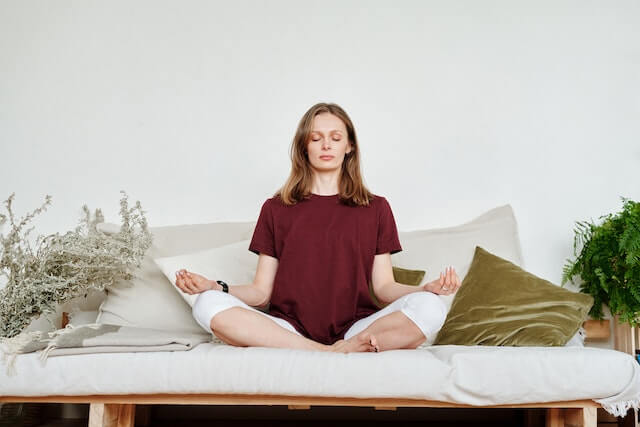
In today’s whirlwind of a world, where every ping from our phone sends our heart racing and our to-do lists never seem to end, there’s a growing interest in something that promises a moment of calm: Learn guided meditation. Ever felt like you’re juggling a million tasks and your brain just needs a “pause” button? You’re not alone. More and more people are seeking ways to declutter their minds and find a moment of zen.
Learn guided meditation, the superhero of the meditation world, for beginners. Think of it as meditation with a helping hand. Instead of trying to navigate the vast ocean of your mind on your own, you have a seasoned captain – in the form of a narrator or guide – steering the ship. For those who’ve ever thought, “I’d love to meditate, but where do I even start?” – guided meditation might just be your answer. It’s the perfect introduction to the world of meditation, offering a structured and beginner-friendly approach to finding inner peace. So, are you ready to embark on this journey? Let’s dive in.
What is Guided Meditation?
Ah, the million-dollar question! Let’s break it down, shall we?
Definition and the Basics of Guided Meditation
Guided meditation is like having a personal trainer for your mind. Instead of being left to your own devices, trying to figure out how to calm that monkey mind of yours, you have a guide (hence the name) leading you through the process. It typically involves listening to a trained practitioner or teacher who provides verbal instructions, narratives, or visualizations to help you enter a state of deep relaxation and focused awareness. Think of it as a narrative journey where the voice guides your thoughts, breathing, and even physical sensations to achieve a specific goal, whether it’s relaxation, focus, or personal growth.
How It Differs from Other Forms of Meditation
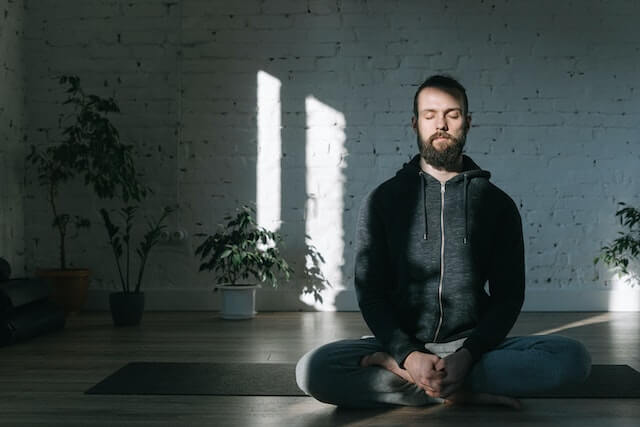
Now, if you’re thinking, “Isn’t all meditation the same?” -Well, not quite. While the core essence of meditation revolves around mindfulness and awareness, the methods can vary. Here’s a quick rundown:
- Traditional Meditation: Often involves focusing on your breath, a mantra, or simply observing your thoughts without judgment. It’s like going to the gym and figuring out the equipment on your own.
- Guided Meditation: As we’ve discussed, this is where you have a guide leading you through the process. It’s the equivalent of having a personal trainer at the gym showing you the ropes.
- Mindfulness Meditation: This is about being present in the moment, observing your surroundings, sensations, and thoughts without trying to change them. It’s like taking a leisurely walk in the park, soaking in everything around you.
- Transcendental Meditation: Involves silently repeating a specific mantra in a specific way. It’s a bit like having a song on repeat that helps you get into the groove.
In essence, while all forms of meditation aim to cultivate mindfulness, awareness, and inner peace, guided meditation offers a structured pathway, making it especially appealing to beginners or those who prefer a more directed approach.
Introduction to Learning Meditation: Why Start with Guided Sessions?
So, you’ve decided to dip your toes into the vast ocean of meditation. Kudos! But, if you’re like most of us, you might be thinking, “Where the heck do I start?” or “Am I even doing this right?” Ah, the age-old dilemmas of meditation newbies. Let’s dive into why guided meditation might just be your golden ticket.
The Challenges Faced by Beginners
Learning guided meditation can be a bit like trying to tame a wild, rebellious teenager (aka your mind). Here are some common challenges beginners often face:
- The Wandering Mind: One minute you’re focusing on your breath, and the next, you’re planning dinner, pondering life’s mysteries, or wondering why cats hate water. Sound familiar?
- Doubt and Impatience: Questions like “Is this even working?” or “Have I reached enlightenment yet?” might pop up. Spoiler alert: Enlightenment doesn’t come after one session, no matter how much we wish it did.
- Physical Discomfort: Finding a comfortable position can be tricky. You might wonder if you’re too stiff, too relaxed, or if it’s normal for your leg to feel like it’s fallen asleep.
- Overthinking the Process: Meditation seems simple, but our brains love to complicate things. “Am I breathing right? Should I think about nothing or something? What’s the meaning of life?”
The Benefits of Having a Guide During Initial Meditation Sessions
Enter guided meditation, the superhero we didn’t know we needed.
- Structure and Direction: Having someone guide you means there’s less room for doubt. They lead the way, and you simply follow. It’s like having a GPS for your mind.
- Variety: Guided sessions can offer different themes and objectives, from stress relief to gratitude. It’s like having a meditation buffet at your fingertips.
- Learning Proper Techniques: A guide can introduce you to various techniques, ensuring you’re getting the most out of your sessions. No more second-guessing if you’re doing it right.
- Building Confidence: As you follow along with guided sessions, you’ll gain confidence in your ability to meditate, making it easier to venture into other forms of meditation in the future.
The Process of Learning Guided Meditation
Ah, guided meditation. Think of it as a cinematic experience for your mind, where you’re both the audience and the main character. But instead of a movie director, you have a guide or narrator leading you through the scenes. Let’s peel back the curtain and see what’s really going on behind the scenes of a guided meditation session.
The Role of the Guide or Narrator
- Setting the Scene: Just as a movie starts with an establishing shot, the guide sets the tone for the meditation. They might begin with a calming introduction, helping you find a comfortable position and encouraging you to take deep, grounding breaths.
- Directing Your Focus: The guide acts as a gentle director, guiding your attention to specific thoughts, sensations, or visualizations. They’re the voice in your ear, reminding you to come back to the present moment if your mind starts planning tomorrow’s breakfast.
- Providing Reassurance: Especially for beginners, it’s common to wonder, “Am I doing this right?” The guide offers regular affirmations and reassurances, ensuring you that there’s no “wrong” way to meditate.
- Transitioning and Closing: Just as every good story has a conclusion, the guide will gradually bring the session to a close, often encouraging reflection on the experience and setting a positive intention for the rest of the day.
Common Themes and Narratives Used in Guided Sessions
- Nature Visualizations: Picture this: walking through a serene forest, feeling the crunch of leaves underfoot, or lounging by a tranquil beach, with waves gently lapping at the shore. Nature themes are a favorite in guided meditation, offering a sense of peace and connection to the world.
- Body Scans: This involves mentally scanning each part of your body, noting sensations, and releasing tension. It’s like giving your body a mental massage. Ah, relaxation!
- Mindful Breathing: Focusing on the breath is a classic. The guide might lead you through deep breathing exercises, helping anchor you in the present moment.
- Journey or Adventure: Some sessions might take you on a journey, perhaps to meet your “future self” or to a safe, imaginary sanctuary where you can let go of daily stresses.
- Affirmations: Positive affirmations can be woven into the narrative, reinforcing self-worth, confidence, and inner peace.
Benefits of Learning Guided Meditation
Alright, let’s get down to the nitty-gritty. Why should you, amidst your busy schedule and endless to-do lists, invest time in learning guided meditation? Well, besides the fact that it’s like giving your mind a spa day (who doesn’t love a good spa day?), there are some legit, science-backed benefits to this practice. Let’s dive into some of them:
Achieving Relaxation and Stress Relief
- Mental Vacation: Ever wanted to escape to a tropical island but couldn’t get the time off work? Guided meditation can transport you to serene landscapes, providing a mental break from the hustle and bustle. It’s like a mini-vacation for your brain!
- Physical Relaxation: As you follow along with the guide, your body starts to respond. Muscles relax, heart rate slows, and before you know it, that tension in your shoulders? Poof! Gone.
- Cortisol Levels Drop: That pesky stress hormone, cortisol, can wreak havoc on our bodies. Regular guided meditation sessions have been shown to reduce cortisol levels, making you feel more relaxed and less… well, stressed.
Enhancing Focus and Concentration
- Training the Brain: Think of guided meditation as a gym session for your brain. Just as you’d train muscles in the gym, guided meditation trains your brain to focus and concentrate, making distractions easier to fend off.
- Boosting Cognitive Abilities: Regular meditation can enhance cognitive functions like memory, attention span, and processing speed. It’s like leveling up in a video game, but for your brain!
Promoting Emotional Well-being and Self-awareness
- Emotional Regulation: Guided meditation can help in recognizing and managing emotions. Feeling like an emotional rollercoaster? Meditation can help smooth out those wild ups and downs.
- Boosting Self-awareness: By tuning into guided sessions, you become more aware of your thoughts and feelings. It’s like holding up a mirror to your mind, helping you understand yourself better.
- Deepening the Connection with Self: As you regularly practice, you’ll find moments of profound insight and clarity about your desires, fears, and aspirations.
How to Start with Guided Meditation
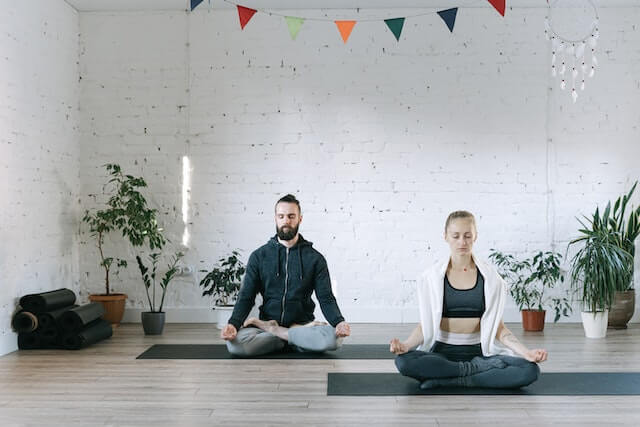
Alright! So, you’re sold on the idea of guided meditation and are itching to get started. But, where the heck do you begin? Do you need to transform your living room into a Zen sanctuary? Do you need to wear those fancy meditation pants? (Spoiler: No, but they are super comfy.) Let’s break it down step by step, so you can kick off your guided meditation journey with confidence.
Finding the Right Resources
- Apps Galore: We live in a golden age of technology, and meditation is no exception. Apps like Headspace, Calm, and Insight Timer offer a plethora of guided meditation sessions tailored for different needs – from stress relief to sleep aid. Just plug in, play, and drift into tranquility.
- Online Platforms: YouTube is a treasure trove of guided meditation sessions. Whether you’re looking for a quick 10-minute relaxation break or an hour-long deep dive, there’s something for everyone. Just search, click, and meditate.
- Classes: If you’re the kind who thrives in a group setting, consider joining a guided meditation class. Many local community centers, yoga studios, and even some workplaces offer them. Plus, it’s a great way to meet fellow meditation enthusiasts!
Subscribe to our Guided Meditations on Spotify
Setting the Environment
- Quiet is Key: Find a spot where you won’t be disturbed. It could be a corner of your room, a park, or even your car. The idea is to have a space where you can tune into the meditation without external distractions.
- Get Comfy: Whether you choose to sit on a chair, lie down, or sit cross-legged on the floor, ensure you’re comfortable. Grab a cushion, a blanket, or even a soft mat. Remember, it’s all about feeling relaxed and at ease.
- Ambiance Matters: Consider dimming the lights or lighting a candle. Some folks love using essential oils or incense to set the mood. Play around and see what works best for you.
Tips for Beginners
- Open Mind, Open Heart: As you start, you might find your mind wandering or even feel a bit restless. And that’s okay! Meditation is a journey, not a destination. Approach each session with an open mind and heart.
- Patience is a Virtue: You might not achieve nirvana in your first session, and that’s perfectly fine. Like any new skill, meditation takes time and practice. Be patient with yourself.
- Consistency is Key: Aim to make meditation a regular part of your routine. Even if it’s just a few minutes each day, consistency can make a world of difference.
In essence, starting with guided meditation is like embarking on a new adventure. There might be a few bumps along the way, but the vistas of peace and clarity you’ll discover are totally worth it. So, ready to dive in? Let’s rock this meditation gig!
FAQs
Alright, let’s tackle some of those burning questions you’ve got bubbling up. You know, the ones that pop into your head just as you’re trying to drift into a meditative state. Classic brain move, right? Let’s dive in.
- How long should a beginner’s guided meditation session last?
Great question! For beginners, it’s often recommended to start with shorter sessions, say 5 to 10 minutes. It’s like dipping your toes into the meditation pool before diving in headfirst. As you become more comfortable and familiar with the practice, you can gradually increase the duration. Remember, it’s not about how long you meditate, but how consistently you do it. So, even if you’re squeezing in a quick 5-minute session during your lunch break, give yourself a pat on the back! - Can I switch to unguided meditation after some time?
Absolutely! Think of guided meditation as your trusty training wheels. Once you feel confident and have developed a sense of what works best for you, you can definitely venture into the world of unguided meditation. It’s all about finding what resonates with you. Some folks love the structure and guidance, while others thrive in the silence and self-direction of unguided sessions. It’s like choosing between chocolate and vanilla ice cream – both are awesome in their own right! - Are there any risks or downsides to guided meditation?
Generally, guided meditation is considered safe and beneficial for most people. However, like any practice, it’s essential to listen to your body and mind. If a particular session or theme triggers discomfort or distressing memories, it’s okay to stop and try something different. And, if you’re dealing with severe anxiety, trauma, or other mental health concerns, it’s always a good idea to consult with a professional before diving into meditation. Safety first, lovely people!
Conclusion
Alright, dear reader, here’s the deal: In this whirlwind of a life, finding a moment of peace can feel like searching for a needle in a haystack. But guess what? Guided meditation is like your trusty metal detector, leading you straight to that shiny needle of mindfulness. It’s the perfect stepping stone for those looking to dip their toes into the vast ocean of meditation. And the best part? With regular practice, you’re not just dipping toes; you’re diving deep, discovering treasures of tranquility and transformation. So, why wait? Dive in, explore, and let the waves of guided meditation carry you to shores of serenity. Happy meditating!