Sit Like a Pro: 10 Secrets to Nailing the Perfect Meditation Pose Every Time!
Introduction
So, you’ve decided to jump on the meditation bandwagon, huh? Good for you! But let’s get one thing straight: meditation isn’t just about closing your eyes and hoping for some magical enlightenment. Nope. It’s also about how you park your butt. Surprised? Don’t be. The way you sit can make or break your meditation game.
Think of it this way: imagine going to a fancy restaurant and getting the wobbliest chair in the place. Annoying, right? That’s what meditating with a crappy posture is like. But when you nail that sitting position? Oh boy, it’s like upgrading to first class on a long-haul flight. Comfort, focus, and all the meditation perks.
So, before you drift off into the land of Zen, let’s talk about the unsung hero of meditation: the sitting position. Because, trust me, your behind and your mind will thank you.
The Basics of Meditation Posture
Alright, let’s get down to brass tacks. Or should I say, “backside tacks”? (Sorry, couldn’t resist.) When it comes to meditation, your posture isn’t just some afterthought. It’s the main event. Why? Because how you sit is the foundation of your entire meditation experience. It’s like building a house. You wouldn’t start with the roof, would you?
Why Meditation Posture Matters:
Imagine trying to find inner peace while sitting like the Hunchback of Notre-Dame. Not gonna happen. A wonky posture can lead to distractions, discomfort, and even potential back problems. And let’s be real, it’s hard to focus on inner peace when your back’s screaming louder than a toddler denied candy. A proper posture ensures you’re comfortable, alert, and ready to tackle whatever your mind throws at you.
The Mind-Body Connection During Meditation:
Here’s the thing: your body and mind are like that old couple you see in the park. They’ve been together forever, and what affects one, affects the other. When you sit with intention and alignment, your body sends a memo to your brain saying, “Hey, we’re doing something important here.” And your brain? It responds by dialing down the noise and getting into the zone. It’s a beautiful dance of mutual respect and cooperation.
In short, meditation isn’t just a mind game. It’s a full-body experience. And getting your posture right is like rolling out the red carpet for all the meditation goodness to come. So, sit tall, sit proud, and let the magic happen.
Different Meditation Poses and Their Benefits
Alright, let’s embark on this grand tour of meditation poses. It’s like a tasting menu at a fancy restaurant – each pose offers a unique experience, and there’s something for everyone. So, grab your metaphorical fork and let’s dig in:
- Meditation Sitting:
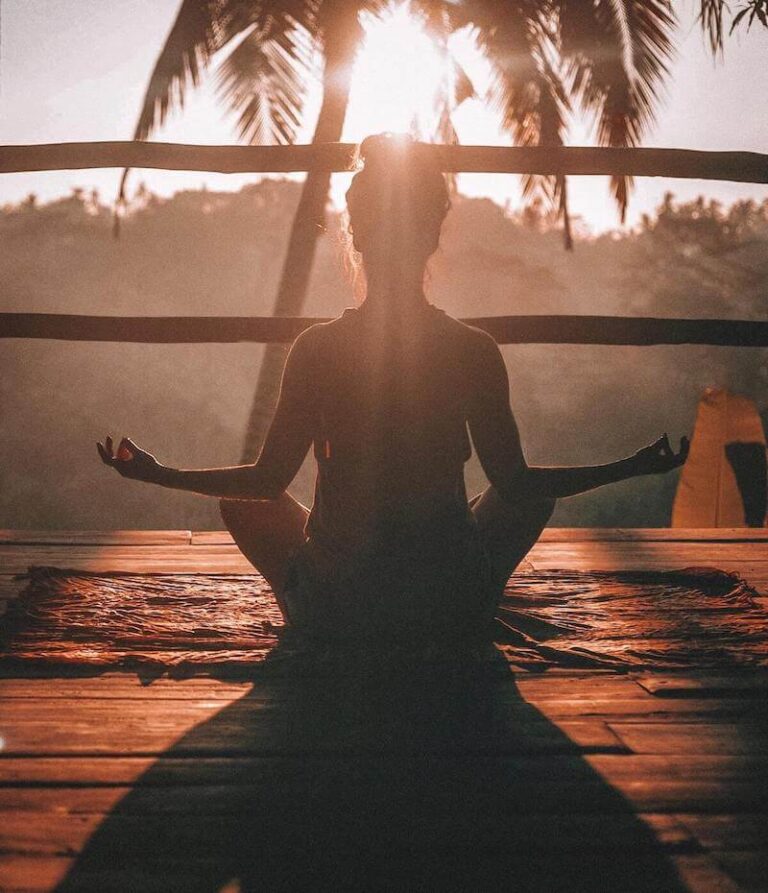
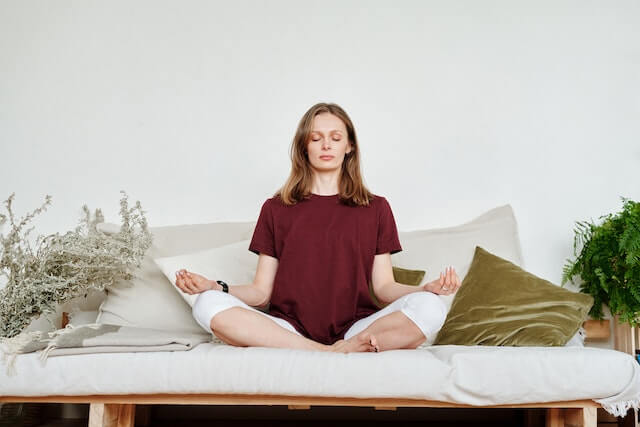
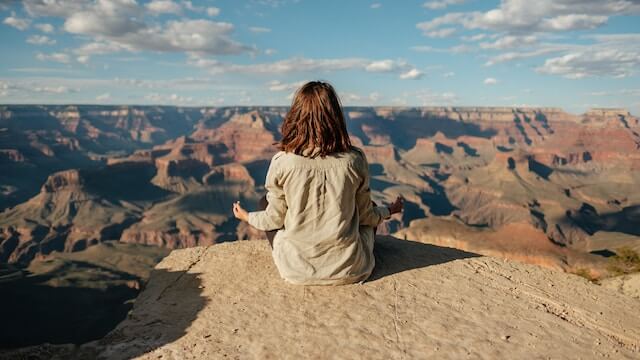
- Description: The classic. Whether it’s cross-legged, half-lotus, or full-lotus, this is the image most people conjure up when they think of meditation.
- Benefits: Promotes spinal alignment, grounding, and focus. It’s the bread and butter of meditation poses – versatile and accessible.
- Laying Down (Savasana or Corpse Pose):
- Description: Lying flat on your back, arms and legs spread slightly apart. It’s like taking a nap, but with more intention.
- Benefits: Total relaxation of the body, great for body scan meditations, and perfect for those with back issues. But beware, it’s easy to drift off to sleep in this one!
- Standing Meditation:
- Description: Standing upright, feet shoulder-width apart, hands either by your side or clasped in front. It’s the power pose of meditation.
- Benefits: Promotes alertness, strengthens the leg muscles, and is a great way to integrate mindfulness into everyday activities.
- Walking Meditation:
- Description: Slow, intentional walking where each step is taken with mindfulness. It’s like turning a simple stroll into a dance with the present moment.
- Benefits: Grounding, integrates meditation into daily life, and is perfect for those who find sitting for extended periods challenging.
- Kneeling or Seiza Pose:
- Description: Kneeling down with buttocks resting on the heels. It’s the humble pose of meditation.
- Benefits: Relieves pressure from the legs, aligns the spine and is often preferred by those with tight hips.
Meditation Stances: Overview of Various Stances and Their Uses:
Meditation isn’t a one-size-fits-all deal. There are a plethora of stances out there, each with its own charm. From the half-lotus to the chair sitting position, from the seiza (kneeling) to lying down – there’s a world of options. The key is to find what feels right for you. Maybe you switch it up based on your mood, or perhaps you find one that feels like home and stick with it. The goal? Comfort and focus. So, don’t be afraid to experiment. Your perfect meditation stance is out there, waiting for you to discover it.
Best Meditation Position: Factors to Consider
So, you’re on the hunt for the “best” meditation position, huh? Well, spoiler alert: it’s not a one-size-fits-all deal. It’s like searching for the perfect coffee order. Some like it black, some with a splash of oat milk, and others with a double shot of caramel syrup. The point? It’s personal. But before you go experimenting with every pose under the sun, let’s break down some key factors to consider:
Comfort vs. Alertness: Striking the Right Balance:
Meditation is a bit of a Goldilocks situation. You don’t want to be so comfy that you drift off into a nap (though, accidental meditation naps? Not the worst thing). On the flip side, if you’re too alert or tense, you’ll be more focused on that crick in your neck than your breath. The sweet spot? A position that’s comfortable enough to sustain but keeps you awake and present. It’s like finding that perfect pillow firmness – supportive, yet oh-so-cozy.
Individual Needs and Flexibility:
Let’s get real for a second. Not all of us are as bendy as a rubber band. And that’s okay! Your meditation pose should cater to your body’s quirks, not the other way around. Got tight hips? Maybe the full lotus isn’t for you. Back issues? Consider a chair or cushion for support. The key is to listen to your body. If it’s screaming in protest, it’s time to adjust. Remember, meditation is about tuning in, not tuning out. So, if your body’s sending you signals, it’s worth paying attention.
Best Posture for Meditation: Aligning Your Body
Alright, let’s get into the nitty-gritty of body alignment during meditation. Think of this as the ultimate user manual for your body. Because, let’s face it, while meditation is a mind game, your body’s the vehicle that gets you there. And just like a car, if one part’s out of whack, the whole journey can get a bit bumpy. So, let’s break down the essentials:
- The Spine’s Role in Meditation:
Your spine isn’t just a stack of bones; it’s the backbone (pun intended) of your meditation practice. When you sit up straight, you’re not just showing off your impeccable posture; you’re creating a clear channel for energy flow. A straight spine helps with alertness, focus, and deep breathing. It’s like the antenna on an old-school TV; the better the position, the clearer the reception. So, keep it tall, aligned, and proud. Your mind (and back) will thank you.
- Head, Neck, and Shoulder Alignment:
Ever tried meditating with a stiff neck? Not fun. Your head, neck, and shoulders play a crucial role in keeping you comfy and focused. The trick? Imagine a string pulling your head up toward the ceiling. This helps align your neck and relaxes your shoulders. And remember, no slouching! It might feel comfy at first, but 10 minutes in, you’ll be wishing for a chiropractor. Keep everything aligned, and you’ll be in meditation nirvana in no time.
- Hand Placement and Its Significance:
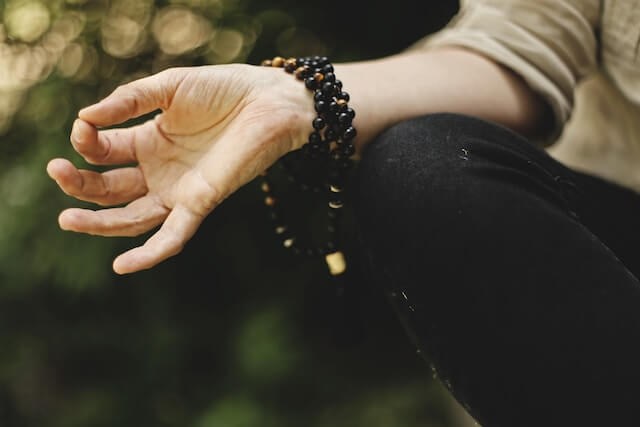
Hands, those often-overlooked meditation companions. Where you place them can influence your energy and focus. Resting them on your lap can ground you, while a classic mudra (finger and thumb touching) can boost concentration. It’s like choosing the right gear for a car; different hand positions can set the tone for your meditation journey. So, experiment, find what feels right, and let those hands guide you to inner peace.
Meditation Positions: Exploring the Variety
Alright, strap in (or should I say, sit down?), because we’re about to embark on a whirlwind tour of meditation positions. Think of this as the buffet of sitting styles. There’s something for everyone, from the meditation rookies to the seasoned Zen masters. Let’s dive in:
Meditation Sitting: The Classic Seated Position:
This is the OG of meditation positions. It’s like the plain bagel of the meditation world – simple, reliable, and always a solid choice. Just sit down, cross those legs, and you’re good to go. It’s the go-to for many because, well, it works. It’s versatile, easy to get into, and perfect for those “I just need a quick 5-minute meditation break” moments.
- Meditation Sitting Position: Delving Deeper into the Nuances of Seated Meditation:
Alright, let’s get a bit fancy. While the classic seated position is all well and good, there’s a whole world of seated nuances to explore. From the half-lotus to the full-lotus, from the Burmese to the seiza, each has its own flavor. It’s like the difference between a latte, a cappuccino, and a macchiato. They’re all coffee, but oh boy, those nuances make all the difference. So, play around, experiment, and find your perfect seated match.
Sitting Poses for Meditation: A Look at Diverse Sitting Poses and Their Benefits:
Alright, let’s dive into the treasure trove of sitting poses. Each one is like a different genre of music – there’s something for every mood, vibe, and flexibility level. Let’s break it down:
- Classic Cross-legged (Sukhasana):
- Description: The good old-fashioned way most of us sat during storytime in kindergarten. Simple, straightforward, and effective.
- Benefits: Great for beginners, promotes a straight spine, and is easy to maintain for extended periods.
- Half-Lotus (Ardha Padmasana):
- Description: One foot rests on the opposite thigh while the other foot is tucked under the opposite knee. It’s like the cross-legged pose’s sophisticated cousin.
- Benefits: Provides a stable base, promotes good posture, and is a stepping stone to the full lotus.
- Full-Lotus (Padmasana):
- Description: Both feet rest on the opposite thighs. It’s the yoga poster child of meditation poses.
- Benefits: Ultimate stability, aligns the spine, and aids in deep concentration. However, it requires a bit more flexibility.
- Burmese Position:
- Description: Both legs are folded in front, with one leg resting in front of the other. It’s the laid-back lounge of meditation poses.
- Benefits: Gentle on the knees, promotes a straight back, and is suitable for longer meditation sessions.
- Seiza (Kneeling Pose):
- Description: Kneeling down with the buttocks resting on the heels. It’s the “taking a knee” of meditation.
- Benefits: Relieves pressure from the legs, aligns the spine, and is often preferred by those with tight hips.
- Chair Sitting:
- Description: Sitting on a chair with feet flat on the ground. Yep, meditation doesn’t always mean sitting on the floor!
- Benefits: Accessible for all, especially those with mobility issues. It also provides back support and is great for extended meditation sessions.
- Siddhasana (Accomplished Pose):
- Description: One heel is tucked into the groin, and the other heel is placed over the pubic bone. It’s for those who want to feel, well, accomplished.
- Benefits: Stabilizes the body, aligns the spine, and is said to help activate the base chakra.
Proper Meditation Posture: Common Mistakes and Corrections
Alright, let’s get real for a moment. Meditation is all about the mind, sure, but if your body’s throwing a fit because you’re sitting like a pretzel, you’re not going to get very far. Proper posture is like the unsung hero of a good meditation session. So, let’s dive into some common mistakes and how to fix them. It’s like a DIY guide, but for your body. Let’s roll up those sleeves and get to work:
Slouching and Its Impact:
- The Issue: You start off upright, but ten minutes in, you’re channeling the Hunchback of Notre-Dame. Slouching might feel comfy, but it compresses the chest and restricts breathing.
- The Fix: Imagine a string attached to the top of your head, pulling you gently upwards. Engage your core muscles slightly to support your back. And if you catch yourself slouching? No sweat. Adjust and carry on. Remember, meditation is a no-judgment zone.
Overarching the Back: Causes and Solutions:
- The Issue: In an attempt to not slouch, you go the other way and push your chest out, creating a curve in your lower back. It’s like trying too hard at a party – it just makes things awkward.
- The Fix: Tilt your pelvis slightly forward and tuck your chin in a bit. This will help align your spine naturally. Think of it as the “Goldilocks” position – not too arched, not too slouched, just right.
Leg and Foot Positioning: Avoiding Numbness and Discomfort:
- The Issue: You’re deep in meditation, and suddenly, it feels like a thousand pins and needles are attacking your foot. Numbness and discomfort in the legs can snap you out of your zen zone real quick.
- The Fix: First, make sure your weight is evenly distributed. If you’re sitting cross-legged, occasionally switch which leg is on top. If numbness is a recurring issue, consider using a cushion or bench. And hey, there’s no shame in adjusting mid-meditation. Your future self (and your legs) will thank you.
Sit for Meditation: Tips for Beginners
Hey there, rookie meditator! So, you’re ready to dip your toes into the vast ocean of meditation, huh? Well, first off, kudos to you. Taking that first step is a big deal. But before you dive in headfirst, let’s chat about some beginner-friendly tips to make your meditation sessions smoother than a freshly shaved alpaca. (Don’t ask why that analogy popped up; just roll with it.)
Starting with Short Sessions:
- The Lowdown: Look, Rome wasn’t built in a day, and neither is a solid meditation practice. Starting with marathon sessions is a one-way ticket to Frustrationville.
- The Game Plan: Begin with just 5 minutes a day. Once that feels like a breeze, gradually increase your time. It’s like training for a marathon: start with a light jog around the block before you tackle the big miles.
Using Props and Cushions for Support:
- The Lowdown: Meditation isn’t a “no pain, no gain” kind of deal. If your butt’s going numb or your back’s screaming for mercy, it’s time to bring in some reinforcements.
- The Game Plan: Use a cushion or a folded blanket to elevate your hips. This helps align your spine and takes the pressure off your legs. If you’re really looking to treat yourself, invest in a meditation bench or chair. Your posterior will be singing your praises.
Listening to Your Body and Making Adjustments:
- The Lowdown: Your body’s like that friend who can’t keep a secret – it’ll always tell you when something’s up. So, if something feels off during your meditation, it probably is.
- The Game Plan: Feel free to shift and adjust as needed. If one position isn’t working, try another. Remember, meditation is a journey, not a destination. And sometimes, that journey involves a bit of wiggling.
FAQs
Is it essential to maintain a specific meditation pose?
Great question! While certain poses are recommended because they help align the spine and promote alertness, the most important thing is to find a position that’s comfortable for you. Meditation is a personal journey, and there’s no one-size-fits-all. So, whether you’re sitting cross-legged, on a chair, or even standing, the key is to find a pose where you can remain relaxed yet attentive. Think of it as choosing an ice cream flavor – while some might rave about mint choc chip, you might be more of a strawberry kind of person. And that’s totally cool.
How can I avoid discomfort or numbness during meditation?
Ah, the age-old meditation conundrum. First off, make sure you’re not sitting in a way that restricts blood flow. Using props like cushions can help elevate your hips and reduce pressure on your legs. If you’re sitting for extended periods, it’s okay to take a moment to adjust your position or even stretch a little. Remember, meditation isn’t about enduring pain; it’s about being present. So, if your foot’s gone to sleep, give it a little shake and carry on. It’s all part of the journey.
Can I meditate lying down if I can’t find a comfortable sitting position?
Absolutely! Lying down, especially in Savasana (corpse pose), can be a fantastic way to meditate, especially if you have back issues or other discomforts. The only catch? It’s a bit easier to drift off to dreamland. So, if you find yourself snoozing instead of meditating, maybe try a semi-reclined position or ensure your head is well supported. But hey, if you end up taking a nap, maybe that’s just what your body needed. The meditation police won’t come knocking, promise.
Conclusion
Alright, let’s wrap this up, shall we? Meditation sitting positions might seem like a small detail in the grand tapestry of mindfulness, but they’re the unsung heroes of a solid meditation practice. Just like you wouldn’t run a marathon in flip-flops, diving deep into meditation requires the right foundation – and that starts with how you sit (or stand, or lie down).
But here’s the fun part: there’s no strict rulebook. It’s all about finding what jives with your body and soul. So, play around, experiment, and discover that sweet spot where comfort meets concentration.
Ready to sit and dive deep into meditation? Remember, your journey to inner peace doesn’t start in some ancient temple or atop a mountain – it starts with the right posture. So, find your groove, get comfy, and let the magic unfold. Inner peace, here you come! 🧘♂️✨🚀