Stressed Out? Here’s How Meditation Can Be Your Chill Pill!

Introduction
Ah, the modern world – where the buzz of notifications never stops, deadlines loom like monsters under our beds, and the term “burnout” is almost a rite of passage. Stress and anxiety have become as common as that morning cup of coffee.
But what if there was a way to hit the pause button, even if just for a moment? A way to find a little oasis of calm in the chaos?
Enter meditation. No, it’s not just for monks or those folks who wear tie-dye shirts and love crystals a bit too much. Meditation is for everyone, and it’s about time we started treating it as the holistic solution it truly is.
Think of it as your personal mental gym, where instead of lifting weights, you’re flexing your peace muscles. Ready to dive in?
Let’s unravel the magic behind meditation and its power to combat that pesky duo: stress and anxiety.
The Science Behind Meditation for Stress Reduction
Alright, let’s get a bit nerdy for a moment. You might be thinking, “How does sitting quietly and focusing on my breath do anything more than, well, give me a quiet moment?” But there’s a lot more happening under the hood—or, in this case, under that noggin of yours.
When you meditate, there’s a party going on in your brain. And by party, I mean a series of complex biochemical processes. First off, meditation reduces the production of cortisol, the infamous “stress hormone.” Less cortisol means less stress, and who doesn’t want that?
But wait, there’s more! Meditation also boosts the production of feel-good neurotransmitters like serotonin and dopamine. These are the brain’s natural “happy chemicals.” It’s like your brain’s way of giving you a pat on the back and saying, “Good job, mate!”
Now, let’s talk about the amygdala—that tiny, almond-shaped part of your brain that’s like the alarm system for threats.
When you’re constantly stressed, the amygdala is like that overzealous security guard who sees danger everywhere. But with consistent meditation practice, it chills out, becoming less reactive.
The result? You don’t jump to “fight or flight” mode at the drop of a hat.
And the cherry on top? Regular meditation thickens the prefrontal cortex, the area responsible for rational thinking, decision-making, and focus. So not only do you become calmer, but you also get a bit sharper upstairs. Talk about a win-win!
So, the next time someone scoffs at your newfound meditation habit, hit them with some science. Meditation isn’t just a feel-good practice; it’s a literal brain booster. Who’s laughing now?
Daily Meditation for Anxiety: Why Consistency Matters
- Building the Habit: Think of meditation like brushing your teeth. You wouldn’t skip that, would you? (If you said yes, we need to have a different conversation.) Just as dental hygiene prevents cavities, daily meditation for anxiety acts as a preventive measure against those mental spirals. The more you do it, the more natural it becomes.
- Compound Benefits: Ever heard of the snowball effect? Start with a tiny snowball, and as it rolls downhill, it gathers more snow and grows bigger. Similarly, the benefits of meditation compound over time. A single session might bring temporary calm, but consistent practice? That’s where the magic happens. You’re not just reducing stress for a day; you’re building resilience for life.
- Deepening the Practice: The more you meditate, the deeper you can dive into your inner world. It’s like leveling up in a video game. At first, you’re just trying to figure out the controls. But with time, you’re tackling advanced missions with ease. Similarly, daily meditation allows you to explore deeper layers of your consciousness, leading to profound insights and greater peace.
- Reinforcing Neural Pathways: Remember that sciencey bit about the brain? Well, the brain loves repetition. When you practice meditation for health anxiety daily, you’re reinforcing neural pathways associated with calm and focus. Over time, your brain literally gets rewired to be less anxious. It’s like giving your brain a software update, minus the annoying pop-ups.
- Creating a Safe Space: By dedicating time each day to meditate, you’re carving out a safe space for yourself—a sanctuary where you can retreat from the chaos of the world. And in today’s always-on, hyper-connected age, we could all use a bit of sanctuary, right?
In essence, while occasional meditation is great (like that one salad you ate last month), making it a daily ritual is where you’ll see transformative results. It’s the difference between dabbling and committing. And trust me, your future, less-anxious self will thank you for it.
Techniques to Reduce Stress and Anxiety
- Breath-focused Meditation:
- The Basics: Ever noticed how you breathe when you’re stressed? Short, shallow, like a hamster on a caffeine binge. Breath-focused meditation is the antithesis. It’s about taking deep, deliberate breaths. Inhale the good vibes, exhale the bullsh*t.
- Why It Works: You anchor your mind by focusing on your breath. It’s a bit like giving a restless puppy a toy to chew on. Your mind chews on the breath, and voilà, less space for anxiety.
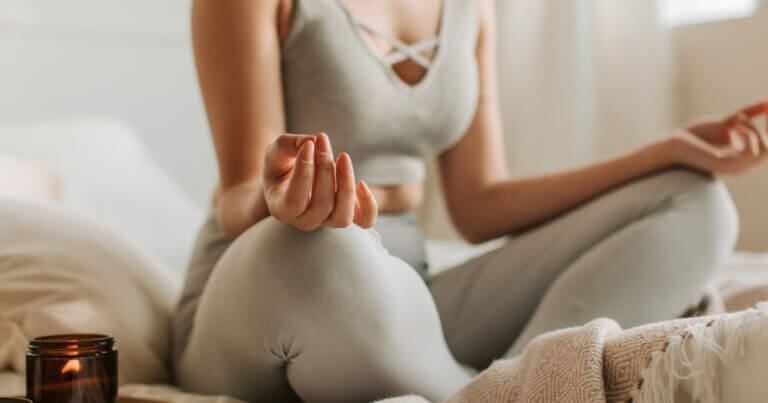
- How to Do It: Sit or lie down comfortably. Close your eyes. Breathe in deeply through your nose, hold for a few seconds, then exhale slowly through your mouth. Imagine stress leaving your body with each exhale. Repeat until you feel like a Zen master or fall asleep. Whichever comes first.
- Guided Visualization for Relaxation:
- The Basics: Remember daydreaming in school about being anywhere but in school? This is like that, but on steroids. Guided visualization is about immersing yourself in a peaceful scenario, like a beach or a forest.
- Why It Works: The mind is a powerful tool. If you can’t physically escape, mentally teleporting to a serene place can trick your brain into feeling relaxed.
- How to Do It: Find a quiet spot. Close your eyes. Imagine a place that brings you peace. Feel the sand between your toes or hear the rustling of leaves. If imagination isn’t your strong suit, there are tons of guided relaxation audios online. Just avoid the ones that lead you to a tax office.
- Mindfulness Practices to Stay Present:
- The Basics: Mindfulness is the art of being present. It’s about experiencing the now, not the “what if” or the “remember when.”
- Why It Works: Anxiety often stems from dwelling on the past or fearing the future. Mindfulness keeps you anchored in the present moment, making it harder for stress to take hold.
- How to Do It: Start by observing. Listen to the sounds around you. Feel the weight of your body. Taste your food (yes, even that stale donut). The goal isn’t to empty your mind but to fill it with the present. It’s like turning your brain’s volume knob down from 11 to a more manageable 4.
In a world that glorifies hustle, taking time to meditate might feel indulgent. But think of it this way: if your mind’s a car, meditation is the oil change it desperately needs.
Meditation for Health Anxiety: A Special Focus
Understanding Health Anxiety and Its Triggers:
- The Basics: Health anxiety, formerly known as hypochondria, isn’t just about that one time you Googled a headache and thought you had a brain tumor. It’s a persistent worry about having a serious medical condition, even when there’s no evidence to support it. It’s like your brain’s stuck in a loop of worst-case scenarios.
- Why It’s a Thing: In a world where information is at our fingertips, it’s easy to fall down the WebMD rabbit hole. Couple that with the fact that our brains are wired to detect threats, and you’ve got a recipe for health anxiety.
- The Triggers: Anything from an innocent stomach ache to a news article on a rare disease can set it off. It’s like having an overzealous bodyguard who sees danger in every shadow.
Tailored Meditation Practices to Address Health-Related Fears:
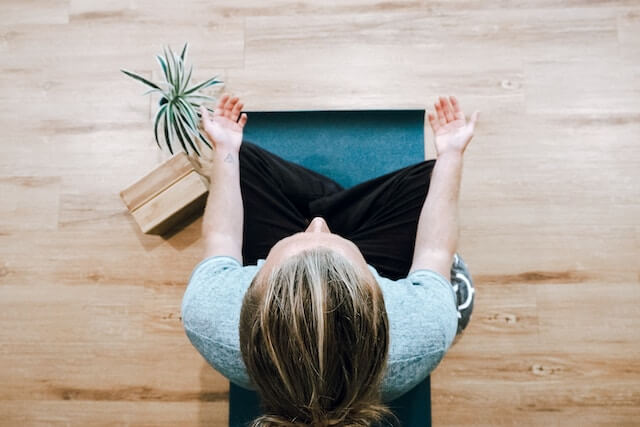
Body Scan Meditation:
- How It Works: This practice involves mentally scanning your body from head to toe, observing without judgment. It’s like giving yourself a mental pat-down.
- Why It’s Effective: By tuning into your body in a non-anxious state, you become more familiar with your baseline. This can help differentiate between actual symptoms and anxiety-induced sensations.
- How to Do It: Lie down. Close your eyes. Start at the top of your head and move down, noting sensations without trying to change them. Remember, it’s not a search-and-destroy mission. It’s more of a gentle reconnaissance.
Guided Imagery for Relaxation:
- How It Works: Instead of imagining worst-case health scenarios, you guide your mind to peaceful, healing images. Maybe it’s a white light enveloping your body or imagining cells working in perfect harmony.
- Why It’s Effective: It shifts the focus from what might be wrong with your body to what’s right and harmonious.
- How to Do It: Sit or lie down. Close your eyes. Visualize a healing energy or scene. If you struggle to do this on your own, there are specific guided meditations available online that focus on health and healing.
Mindfulness and Breathing Exercises:
- How It Works: When health anxiety strikes, your breathing can become shallow. Mindful breathing helps regulate it, signaling to your brain that you’re okay.
- Why It’s Effective: It’s a quick way to activate your body’s relaxation response, counteracting the stress response triggered by health worries.
- How to Do It: Inhale deeply, hold,and exhale slowly. Focus on the rhythm of your breath. If your mind wanders to a scary health thought, gently bring it back. Think of it as mental bicep curls.
Practical Tips for Incorporating Meditation into Your Routine
Finding the Best Time and Setting:
- Morning Meditator or Nighttime Zen Master? Some folks swear by morning meditation to set the tone for the day. Others prefer a nighttime session to wash off the day’s stress. There’s no “one-size-fits-all” here. It’s like deciding whether you’re a coffee person or a tea person. Experiment and see what feels right.
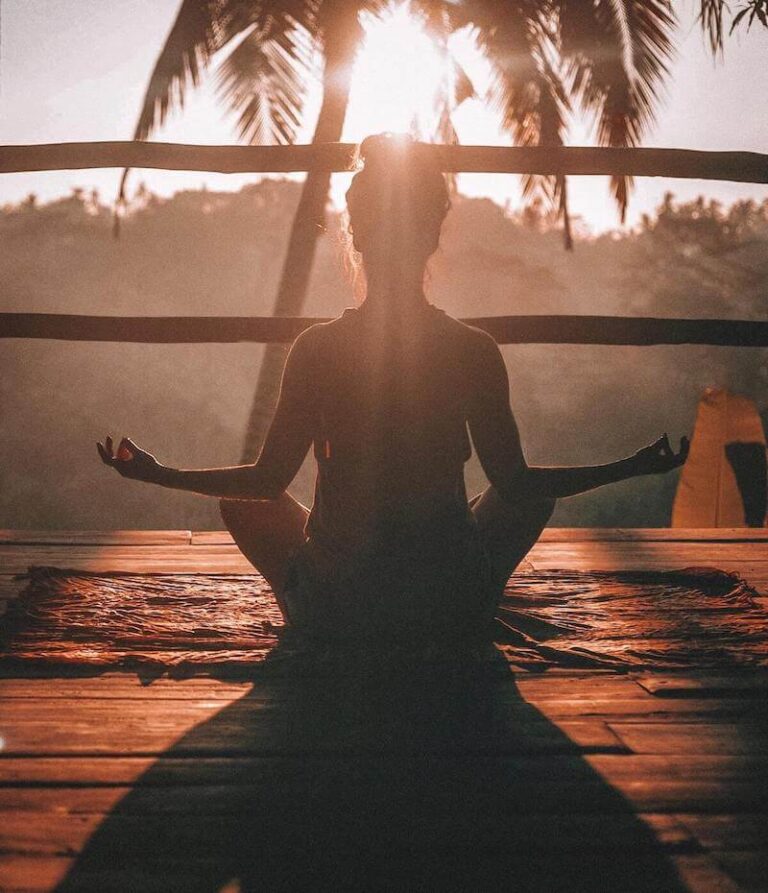
- Your Meditation Nook: You don’t need a Himalayan cave or a fancy Zen garden. But finding a consistent spot, free from distractions, can help. It could be a quiet corner of your room, a comfy chair, or even a park bench. The key is consistency. Over time, just being in that spot can trigger a sense of calm. It’s like your brain’s version of Pavlov’s dog, but instead of salivating, you’re chilling out.
Using Apps or Guided Sessions for Support:
- There’s an App for That: In today’s digital age, there’s no shortage of meditation apps. From “Daily Meditation for Anxiety” to “Guided Relaxation for Sleep,” there’s something for everyone. Some popular ones even feature guided sessions by big names in the meditation world, like our buddy Jason Stephenson. It’s like having a meditation guru in your pocket.
- YouTube and Beyond: If apps aren’t your thing, platforms like YouTube are bursting with guided meditation sessions. Whether you’re looking to reduce stress, sleep better, or tackle health anxiety, there’s a video for that. Just type in what you’re looking for, like “Jason Stephenson guided sleep meditation,” hit play, and drift into relaxation.
- Live Sessions: If you’re craving human connection, consider joining a live meditation group or class. Many are offered online now. It’s a chance to share experiences, ask questions, and feel part of a community. Think of it as group therapy but without the awkward silence.
Incorporating meditation into your routine might feel like trying to squeeze one more thing into an already-packed schedule. But think of it this way: It’s not about “finding” time; it’s about “making” time. Because, let’s be real, if you’ve got time to scroll through social media or binge-watch that new series, you’ve got 10 minutes to give your mind a break. And trust me, it’ll thank you for it.
FAQs
- How long should I meditate daily to see the benefits?
- Ah, the age-old question of quantity over quality. While some studies suggest that meditating for just 10 minutes a day can bring about noticeable changes, it’s more about consistency than clock-watching. Think of it like brushing your teeth. Doing it for 2 minutes consistently is better than brushing intensely for 15 minutes once a week. Start small, maybe with a “daily meditation for anxiety” session, and as you get into the groove, you can extend your time. But remember, it’s not a race. It’s a journey… and there’s no traffic on the extra mile.
- Can meditation replace therapy or medication for anxiety?
- Let’s get one thing straight: Meditation is a fantastic tool, but it’s not a one-size-fits-all magic wand. For some, it can significantly reduce symptoms of anxiety. For others, therapy or medication might be necessary. Think of meditation as a supplement, not a replacement. Always consult with a healthcare professional about your specific situation. It’s like asking if a Swiss Army knife can replace all tools. Handy? Yes. Comprehensive solution? Maybe not.
- What if I find it hard to focus during meditation?
- Welcome to the club! Distractions are part of the process, especially when you’re just starting out. Remember, meditation isn’t about emptying your mind but rather noticing when it wanders and gently bringing it back. It’s like training a puppy. At first, it’s all over the place, but with patience and consistency, it learns. Every time you notice your mind wandering and bring it back, you’re doing a mental rep. And just like in the gym, every rep counts.
- Are there any side effects to meditation?
- Side effects may include increased peace of mind, better sleep, reduced stress, and a sudden urge to hug trees. Jokes aside, while meditation is generally safe, it can sometimes bring up strong emotions or memories. If this happens, it’s essential to approach it with kindness and seek support if needed. Remember, it’s okay to take things slow. Meditation is like sunbathing; it’s all fun and games until you get burned. Always know your limits.
Conclusion
Alright, let’s wrap this up, shall we? In the chaotic circus of life, where stress and anxiety are the unruly clowns, meditation emerges as the ringmaster, bringing a sense of order and calm. It’s not just some fancy, ancient ritual; it’s a transformative tool with the potential to reshape our mental landscape. Think of it as mental hygiene. Just as you wouldn’t go days without brushing your teeth (at least, I hope not), why would you neglect your mind?
The science is clear, the benefits are tangible, and the only investment required is a bit of your time. Whether you’re battling health anxiety, daily stressors, or just the existential dread of Monday mornings, meditation offers a refuge.
So, dear reader, as you stand at the crossroads of decision, remember this: Your mental well-being isn’t a luxury; it’s a necessity. And the journey to a calmer, more centered you? Well, it’s just a breath away. Dive in, experiment, and find what resonates with you. After all, in the grand theater of life, you deserve the best seat in the house. So, are you ready to take the front row?